
"is the most primitive"
1000 article(s) found

How to tell if black coffee manning coffee belongs to black coffee? that's how it works.
Professional coffee knowledge exchange more coffee bean information please follow the coffee workshop (Wechat official account cafe_style) front street-about black coffee black coffee is unmodified coffee, simply speaking, black coffee refers to no sugar, no milk and other coffee companion coffee, black coffee brings the original feeling of coffee taste. Black coffee combines the characteristics of sweet, sour and bitter coffee.

Can the siphon kettle make cappuccino? how to use it? introduction to taste, variety and apparatus
Coffee oil, strictly speaking, the Italian coffee machine will produce real oil (crema), to obtain oil requires the extraction process to reach a critical pressure, other ways can not do. With exceptions, some mocha kettles with double valves can extract oil at critical pressure if coffee beans are selected and ground. The fat is fragrant, and most foods have the flavor.

Characteristics of Ethiopia Kafa Forest Coffee producing area description of flavor and taste of washed Sidamo G1 coffee beans
Professional coffee knowledge exchange more coffee bean information please follow the coffee workshop (Wechat official account cafe_style) Ethiopia Kafa forest coffee producing area characteristics and flavor taste? Description of washed coffee beans in Ethiopia's Kafa forest? Most of the coffee used is obtained from nearby wild forests.

What exactly is "black coffee"?
Black coffee (cafe noir) black coffee is unmodified coffee, black coffee brings the original feeling of tasting coffee. Black coffee combines the characteristics of sweet and bitter coffee, it is primitive and rugged, profound and intriguing. However, we always know too little about black coffee, and the distance makes it even more mysterious. Actually, the black coffee is there.
Varieties of coffee beans in Tanzania
Species of coffee beans in Tanzania, local coffee species: in the past, the coffee species commonly used in Tanzania are Bourbon (N.39) and Kents (KP 423). However, due to the low insect resistance and disease resistance of these two coffee varieties, the coffee quality can not meet the requirements of high-quality coffee, not to mention the world-famous UTZ and Fair trade certification. With the new technology of growing coffee beans

The characteristics of Tanzanian Fine Coffee
Species of coffee beans in Tanzania, local coffee species: in the past, the coffee species commonly used in Tanzania are Bourbon (N.39) and Kents (KP 423). However, due to the low insect resistance and disease resistance of these two coffee varieties, the coffee quality can not meet the requirements of high-quality coffee, not to mention the world-famous UTZ and Fair trade certification. With the new technology of growing coffee beans

Varieties of coffee beans in Tanzania
Species of coffee beans in Tanzania, local coffee species: in the past, the coffee species commonly used in Tanzania are Bourbon (N.39) and Kents (KP 423). However, due to the low insect resistance and disease resistance of these two coffee varieties, the coffee quality can not meet the requirements of high-quality coffee, not to mention the world-famous UTZ and Fair trade certification. With the new technology of growing coffee beans
Is black coffee the same as American coffee? The most common coffee, black coffee.
Black coffee is unembellished coffee, black coffee brings the original feeling of tasting coffee. Black coffee is a collection of coffee sweet and bitter characteristics, it is primitive and rough, deep and intriguing, as if the distance makes the black it more mysterious. There are three ways to make black coffee, so there are three different types of coffee pots: traditional follicle type, siphon type and electric type.

African Estate Selection: Ethiopia-Yegashev-Single Estate Coffee Beans
Professional barista exchanges, please pay attention to coffee workshop (Weixin Official Accounts cafe_style) coffee hometown-Ethiopia a group of insomnia sheep, let human beings from coffee addiction related to the origin of the legend of different opinions, among which the more popular is the shepherd story discovery said. Recorded in the works of Lebanon linguist Fastneroni (16131707)

History, culture, stories and allusions of Yemeni coffee boutique beans
Professional barista exchanges please follow the coffee workshop (Wechat official account cafe_style) Yemeni coffee boutique beans history and culture, stories and allusions using the most primitive way to produce real Yemeni coffee is not common. After the fruit is ripe on the trees, the farmers harvest it by hand and dry it on the roof of the stone house built by the mountain. The process of shelling meat depends entirely on crude stone grinding equipment. Due to

Introduction to the grade of Ethiopian coffee
Ethiopia is the birthplace of the famous Arabica coffee beans, and people have always maintained the tradition of harvesting wild coffee beans. The coffee garden at an altitude of more than 1500 meters has formed a unique coffee style after thousands of years of evolution and adaptation. Ethiopian coffee grown in the natural wild environment is called wilderness coffee, which retains the most primitive and natural taste of coffee beans.

Ethiopian Coffee beans Yega Chefe Coffee and Sidamo Coffee
Ethiopia is the birthplace of the famous Arabica coffee beans, and people have always maintained the tradition of harvesting wild coffee beans. The coffee garden at an altitude of more than 1500 meters has formed a unique coffee style after thousands of years of evolution and adaptation. Ethiopian coffee grown in the natural wild environment is called wilderness coffee, which retains the most primitive and natural taste of coffee beans.

Differences, distinctions and awards of individual beans in Yemeni coffee
Communication of professional baristas Please follow the coffee workshop (Wechat official account cafe_style) Yemeni coffee individual beans differences, distinction and award-winning situation it is not common to use the most primitive way to produce real Yemeni coffee. After the fruit is ripe on the trees, the farmers harvest it by hand and dry it on the roof of the stone house built by the mountain. The process of shelling meat depends entirely on crude stone grinding equipment. Due to traffic

Background of Ethiopian Coffee cultivation in Ethiopian Coffee producing areas Sidamo and Yejasuefi
For professional baristas, please follow the coffee workshop (Wechat official account cafe_style) the Danakir depression Ethiopia (The Federal Democratic Republic of Ethiopia) is a landlocked country in northeast Africa with a land area of 1103600 square kilometers. Ethiopia borders Djibouti and Somalia to the east, Sudan to the west, and Kenya to the south.
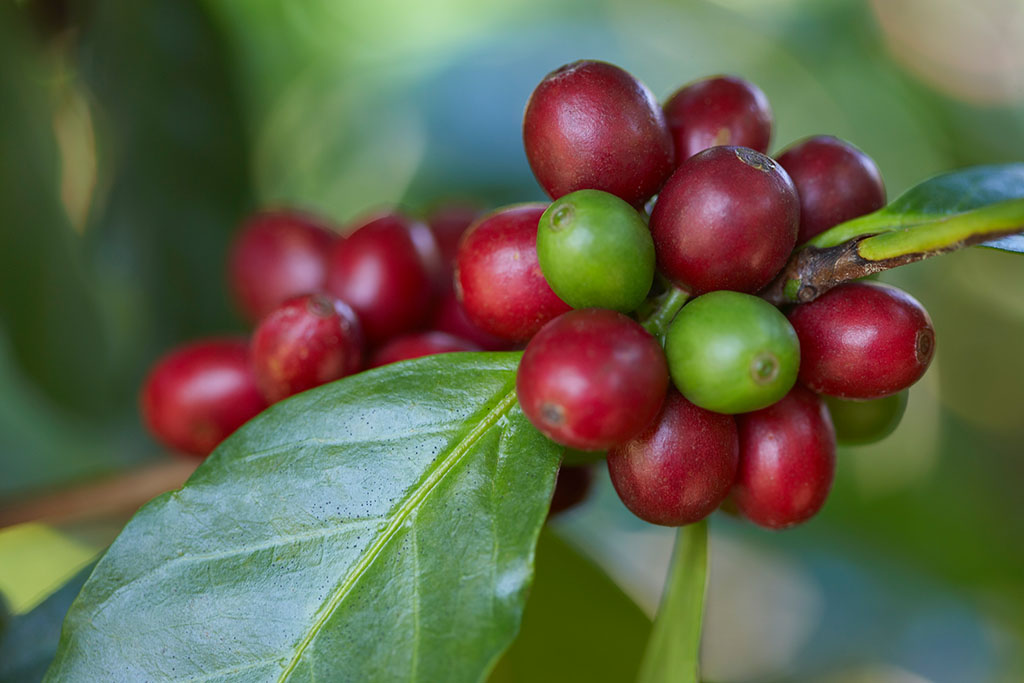
Hafursa Cooperative Yega Xuefei African Fine Coffee native coffee species of Ethiopia
The coffee garden with an elevation of more than 1500 meters has formed a unique coffee style after more than a thousand years of evolution and adaptation. Ethiopian coffee grown in the natural wild environment is called wilderness coffee, which retains the most primitive and natural taste of coffee beans and has the most direct and full expression of the local environment. Hafursa cooperative (1750-2300 meters) belongs to the producing area: Gedeo- Yega
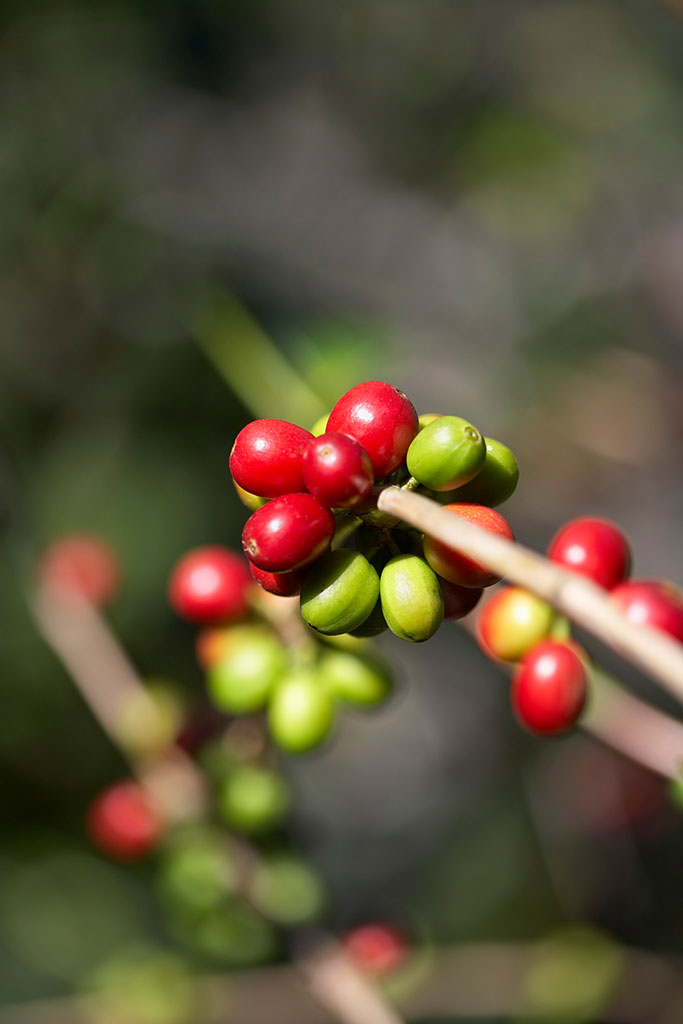
Resa Cooperative Addis Katema Cooperative Vina Gor Ethiopian Coffee
The coffee garden with an elevation of more than 1500 meters has formed a unique coffee style after more than a thousand years of evolution and adaptation. Ethiopian coffee grown in the natural wild environment is called wilderness coffee, which retains the most primitive and natural taste of coffee beans and has the most direct and full expression of the local environment. Production area of Resa Cooperative (1000-1400 m): Gedeo-Wenago Wei

Konga Konga Cooperative Yega Ethiopia Boutique Coffee African
The coffee garden with an altitude of more than 1500 meters has formed a unique coffee terroir after more than a thousand years of evolution and adaptation. Ethiopian coffee grown in natural wild environment is called wilderness coffee, which retains the most primitive and natural taste of coffee beans and has the most direct and full expression of terroir. Konga Konga Cooperative (1750-2300 m) Production area: Gedeo-Ye

Costa Rican Volcano Coffee effect of High altitude Volcanoes on the growth and Flavor of Coffee beans in Tarasu
Costa Rican Tarasu coffee grows in high-altitude volcanic soil, where cherries ripen more slowly, giving it a rich and rich flavor. Single-origin Tarrazu Estate coffee, known as one of the best coffee in the world, is roasted to medium color to retain its natural fullness, elegance and rich flavor. Certification: kosher certified Rain Forest Union

Tanzania coffee bean varieties Tanzania boutique coffee bean varieties SC3, SC11 and SC14
Species of coffee beans in Tanzania, local coffee species: in the past, the coffee species commonly used in Tanzania are Bourbon (N.39) and Kents (KP 423). However, due to the low insect resistance and disease resistance of these two coffee varieties, the coffee quality can not meet the requirements of high-quality coffee, not to mention the world-famous UTZ and Fair trade certification. With the new technology of growing coffee beans

Introduction to the Variety treatment methods of Coffee beans in Gesha Manor, Banqimaji District
Bancimaji is located in a small village southwest of Ethiopia, and the Gesha Mountains in the northwest are the most primitive places of origin for geisha. This kind of sun-dried beans is carefully selected by the most original Gesha Estate manor. The owner of Gashaw farm carefully selects ripe coffee cherries, together with scaffolding sun treatment, so that the beans have a unique and distinct personality, different from the common Ethiopian days.